TimeTimer® Affiliate
Order Out of Chaos® Affiliate
Free Tools
All Free Tools ADHD Planning Meditations
Yearly Planner Weekly Planner Habit Tracker Life Balance Assessment Homework Tracker Custom Note Paper Morning Routine Schedule Pomodoro Timer Planning System Know Your Values
About Ryan
BCBA · ADHD-CCSP · ADHD Dad

I work with ADHD brains.
I have one.
And I’m raising two more.

I'm Ryan Baker-Barrett, MS, BCBA, ADHD-CCSP — a Board Certified Behavior Analyst and ADHD Certified Clinical Services Provider with 20+ years in the field. I was diagnosed with ADHD at 37, spent those first 37 years wondering why everything felt harder than it should, and now I use all of it — the clinical training, the lived experience, the parenting-in-the-trenches reality — to help families and individuals who are done waiting for things to click on their own.

Book a Free Call →
Ryan Baker-Barrett with his son
Ryan with one of his kids — the strategies get tested here first.
20+ Years in Applied Behavior Analysis
BCBA® Board Certified Behavior Analyst
ACE BACB Approved CE Provider IP-24-11059
MS Utah State University, Summa Cum Laude
ADHD-CCSP ADHD Certified Clinical Services Provider

Three perspectives. One practice.

Most ADHD support comes from one angle. A clinician who knows the research but hasn't lived it. A coach who's been there but doesn't know the science. A parent who gets it at home but can't explain why the strategies work. I bring all three — and that combination changes what's possible in a session.

The Clinician

BCBA (#1-12-12588) with 20+ years across school districts, clinics, and private practice — including district-wide roles in Newton, MA and Arlington, MA, and clinical work at The Ivymount School's Model Asperger Program. Graduate of Utah State University, summa cum laude.

Developed the Executive Function Roadmap™ — a 16-domain assessment framework — and the PINCH Motivation Framework. Published in the Encyclopedia of Autism Spectrum Disorders (Springer). BACB ACE Provider IP-24-11059.

The Person with ADHD

Diagnosed at 37. Spent two decades white-knuckling through systems that weren't built for how my brain works — and compensating in ways I didn't recognize until I had a name for it.

The diagnosis didn't change who I was. It changed how I understood myself. And that changed everything about how I practice — because I know exactly what it feels like to be on the other side of the table.

The Parent

Raising two boys with ADHD. Which means every strategy I bring to a session has already been tested at home — in real mornings, real homework standoffs, and real IEP meetings where I sat on the parent side of the table.

I don't recommend things I haven't tried. And I don't give advice without knowing what the 5:47pm cereal aisle version of it actually looks like.


Illustration representing competing demands and distraction.
When everything competes for your attention

So much to notice.
So much to keep track of.

The moment everything made sense.

37 years old. BCBA. Still didn't see it.

I had spent 17 years studying behavior, teaching other people's kids, training parents on evidence-based strategies. I was good at my job. And I had absolutely no idea that what I'd been managing, compensating for, and white-knuckling through my whole adult life had a name.

When I got the diagnosis, I felt two things at once: relief that there was a reason — and a strange grief for the years I'd spent working so much harder than I needed to, at everything, just to keep up.

It also cracked something open professionally. Suddenly I understood my clients differently. Not just what to target — but what it felt like to live inside the brain I was trying to help. That's not something you get from a textbook. And it changes the work completely.

Illustration accompanying Ryan’s ADHD diagnosis story.

How I work.

Understanding your brain shapes the work we do together.

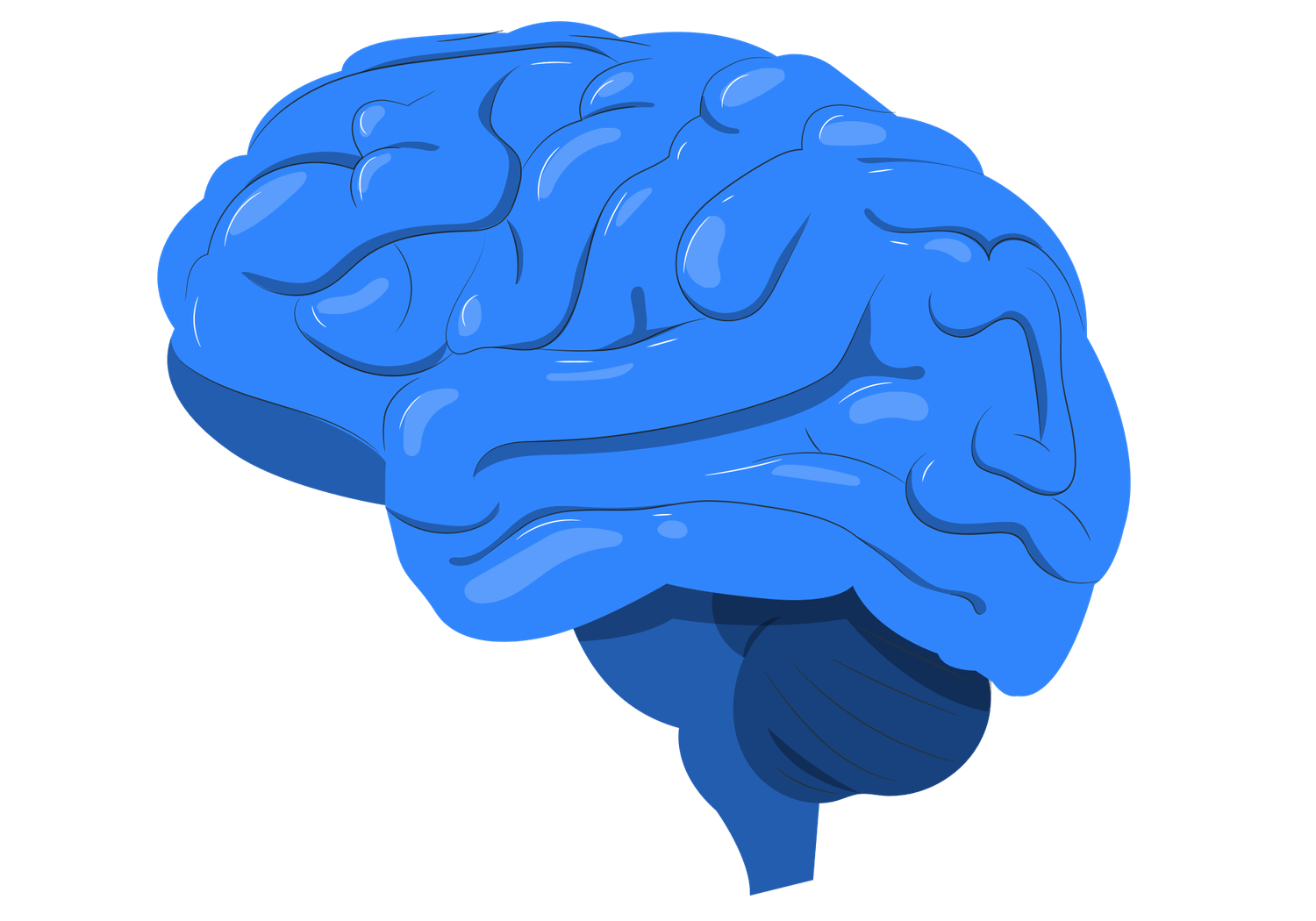
Brain illustration.

My approach is built on two evidence-based frameworks that I've found work better together than either does alone — especially for ADHD brains, which need both a science-backed strategy and a values-based reason to use it.

ABA Applied Behavior Analysis

The science of behavior change. Not compliance-based, not punishment-driven — a systematic, data-informed way to understand why behaviors happen and build the skills that replace them. This is the scaffolding.

ACT Acceptance & Commitment Therapy

Values-based, acceptance-focused work that helps clients stop fighting their own nervous system and start building toward what actually matters. This is the direction. ABA gets you there; ACT tells you where "there" is.

EF Roadmap™ Executive Function Roadmap for ADHD™

A 16-domain proprietary assessment framework I developed to systematically map executive function strengths and deficits. The starting point for every client — because you can't build a plan without a real picture of the terrain.

PINCH PINCH Motivation Framework

Passion. Interest. Novelty. Challenge. Urgency. ADHD brains don't run on willpower — they run on these five fuels. Every strategy I build is shaped by your PINCH profile, because a system that doesn't fit your motivation structure won't survive contact with a real Tuesday.

The goal

Not compliance. Not just fewer meltdowns. Capability — building a life that actually fits your brain, or your child's brain, instead of grinding against it forever.


Where this experience comes from.

20 years is a long time, and most of it happened in public schools — which means I've sat in hundreds of IEP meetings, trained hundreds of staff and parents, and watched what actually works (and what just looks good on paper) play out across thousands of real cases.


Who I work with.

My practice serves three audiences — and the work looks different for each one, because ADHD at 6 is not ADHD at 16, and ADHD at 37 is a different conversation entirely.

For Parents
Behavioral parent training for caregivers who love their kid and are also exhausted by their kid. IEP strategy, homework systems, morning routines, meltdown recovery — and the bigger picture of raising a child whose brain works differently in a world that wasn't built for it.
For Teens
Coaching for teenagers who are tired of being told to "just focus" — and want to actually understand their own brain. Executive function skills, study systems, self-advocacy, and building habits that hold up when I'm not in the room.
For Adults
Executive function coaching for adults who are done trying to out-willpower their own brain. Deadline systems, task initiation, focus, relationships, career — whatever the gap is between your intentions and your follow-through, that's where we work.

Beyond the practice.

In addition to direct client work, I train behavior analysts through Breakthrough ADHD Training for Behavior Analysts™ — a 4.5-credit, competency-based CE program built around the EF Roadmap™ for BCBAs who are ready to serve ADHD clients with a real framework instead of borrowed autism strategies.

I'm also the founder of Kids Like Mine — a free, hand-selected community for parents of kids with ADHD who want evidence-based guidance, honest conversation, and a place where you don't have to explain the backstory before anyone understands you.

And I write. The blog at getadhd.care is where I put the things I want parents and clients to have access to — not watered-down tips, but the real behavioral science behind why ADHD brains work the way they do, and what to actually do about it on a Tuesday afternoon.


Tools that support the way your brain works.

The tools we use are part of the experience: a place to connect with the practice and a straightforward way to meet online.

Applied Behavioral Health Practice client portal

A portal built with ADHD in mind.

I built my own proprietary client portal around the way ADHD brains work. It brings care, progress, and support together in a space designed specifically for my practice and the people I work with.

Open the client portal →
Google Meet

Meet from where you are.

I use Google Meet for virtual sessions, through my practice’s HIPAA-compliant setup. We can connect online using the meeting link provided for your appointment.

Bring your questions, your real-life challenges, and yourself. We’ll work from there.

Free tools for everyday life.

Explore planning tools, visual routines, and focus supports. Find something that fits the challenge you’re working on.

Explore free tools & resources →
Ryan Baker-Barrett.

The first conversation is free.
And it might change everything.

No pressure. No pitch. Just 30 minutes to talk about what's going on and figure out whether this is the right fit. Most people leave with at least one new idea — even if we don't end up working together.


619-367-6445  ·  ryan@getadhd.care  ·  getadhd.care

Applied Behavioral Health Practice
Stay Connected
© 2026 Applied Behavioral Health Practice. All rights reserved. Our primary domain is appliedbehavioral.health